
Networks that make clinical video boring.
Telehealth and remote patient monitoring went from project to production almost overnight. Most networks weren't ready. We rebuild the underlying connectivity, QoS, and unified communications integration so clinical video and voice quietly work.
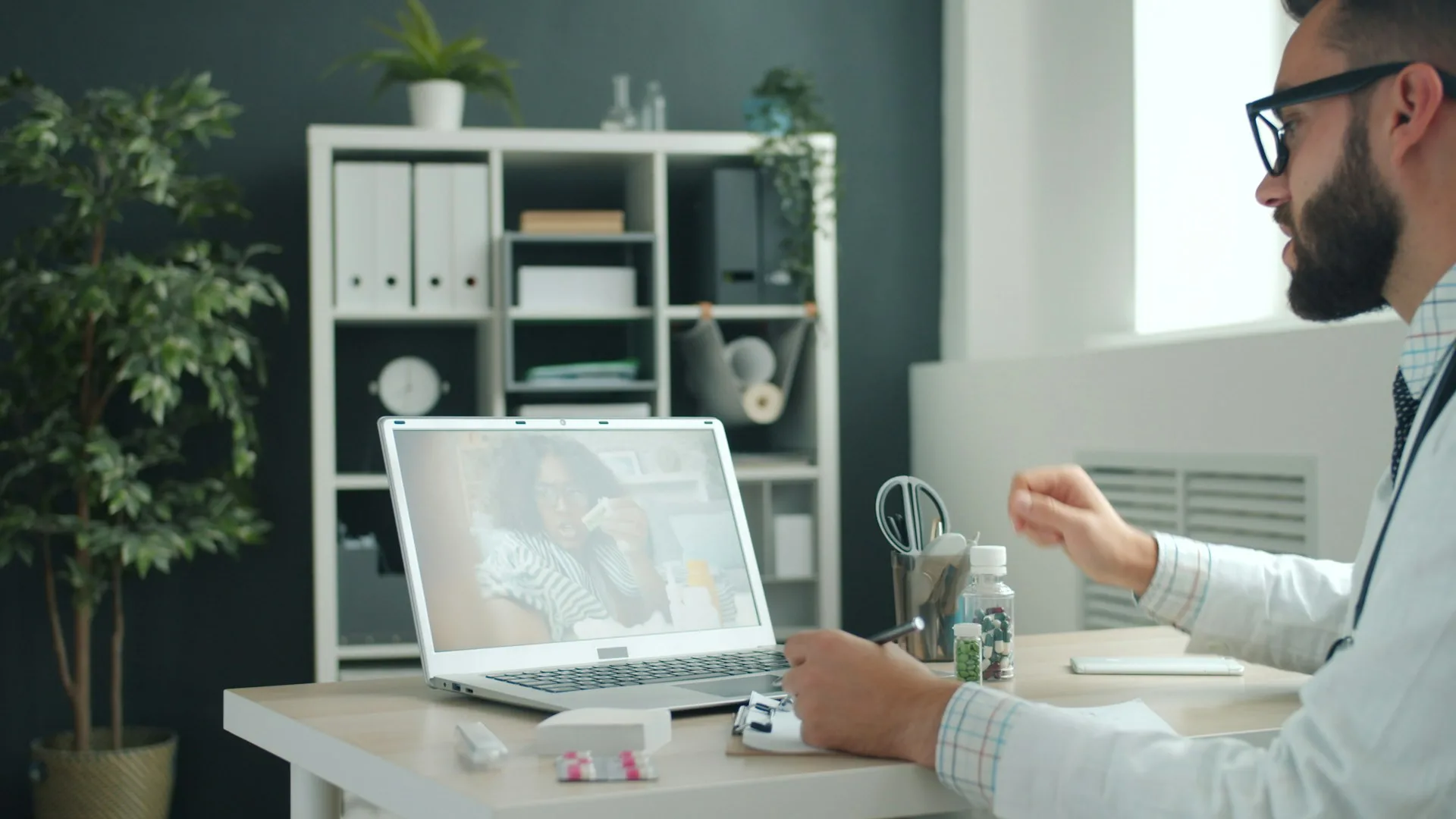
What healthcare orgs actually face.
Telehealth platforms compete with every other application on the network. Without engineered QoS, clinical video falls apart at exactly the moments it can't. Backup paths exist on paper but haven't been tested in months.
Add the contact center, the on-call workflows, the secure messaging app, and the remote-patient-monitoring telemetry — and most healthcare networks are running modern clinical workflows on infrastructure that wasn't sized for them.
We engineer the underlying network to a measurable standard: sub-150ms one-way latency on clinical video, sub-1% packet loss, and a backup path that's tested quarterly.
How we build it.
- End-to-end QoS engineered for clinical video, voice, and remote-patient-monitoring traffic
- Telehealth platform integration with capacity planning for peak clinic load
- Unified communications and contact-center integration (Cisco UCM, Microsoft Teams, Zoom Phone)
- Backup connectivity paths validated quarterly under simulated outage
- Wi-Fi 6/6E and 5G enablement for clinician mobility within and between sites
- Patient-portal connectivity SLAs tied to the underlying WAN posture
Design targets we engineer to. Where a benchmark applies across the industry, we say so.
Reliable clinical video
Sub-150ms latency targets met across managed sites. No more dropped follow-ups.
Lower telehealth abandonment
Telehealth completion rates are sensitive to underlying network quality. Engineered QoS and validated backup paths target this directly.
Real backup paths
SuperBroadband's 5G + Starlink hybrid provides genuinely diverse backup, validated during engagement — not assumed on a diagram.
Talk to a solutions engineer.
Bring the diagram, the carrier bill, or the requirement doc. We'll bring an honest read.