
Healthcare comes in many forms. So do its networks.
A community hospital and a multi-state outpatient network have almost nothing in common operationally — except the networks that hold them up. Medical ANS is designed to engage across each of the verticals below, with the T-Mobile 5G Advanced Network Solutions and SuperBroadband platforms as a common architectural base.
 Vertical 01
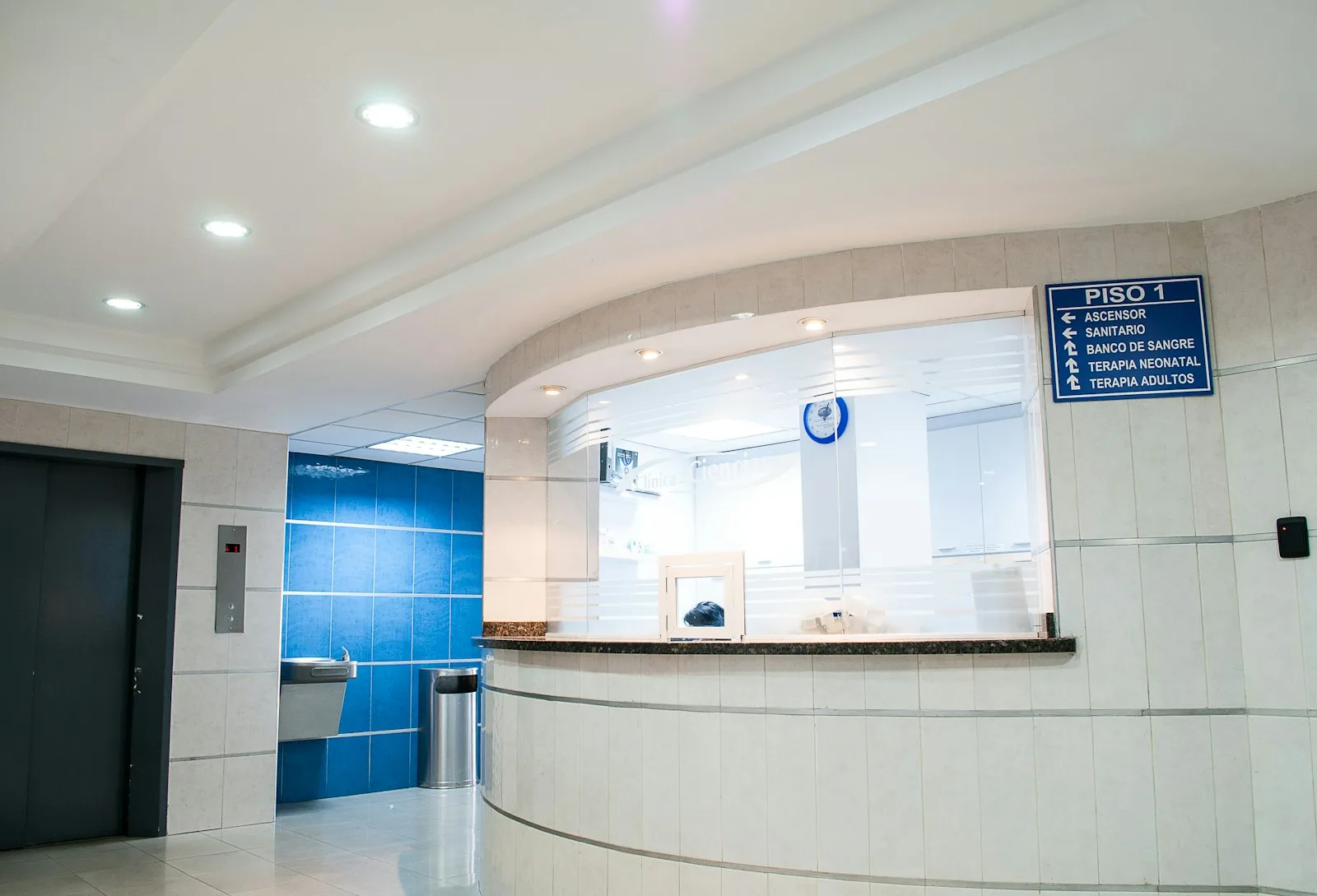
Hospitals & health systems
Acute care brings the hardest constraints: OR connectivity, infusion-pump fleets, imaging bandwidth, EHR latency, biomedical device sprawl, and an audit posture that gets reviewed every year.
Carrier-grade WAN on T-Mobile SuperBroadband, zero-trust segmentation, and IoMT enablement engineered for acute-care environments. A natural fit for regional health systems consolidating carriers without disrupting institutional knowledge.
 Vertical 02
Ambulatory & outpatient networks
Outpatient economics depend on opening new sites fast and operating them lean. Most networks weren't built to do either.
SD-WAN with 5G fixed wireless as a real second leg, zero-touch site provisioning, and centralized policy — so a 60-clinic network can operate with the network overhead of a 6-clinic one.
 Vertical 03
Specialty clinics & cancer centers
Specialty care depends on imaging, infusion, and remote-monitoring workloads that don't tolerate jitter or latency. The clinical floor is a high-density IoMT environment.
Private 5G, IoMT enablement, and engineered QoS for imaging and clinical video — environments where Wi-Fi alone isn't going to carry the workload. T-Mobile 5G ANS is the production-grade platform behind the design.
 Vertical 04
Long-term care & post-acute
Long-term care faces tightening regulatory pressure on connectivity, resident-facing services, and remote monitoring — alongside historically thin IT budgets.
Networks designed for the LTC reality: lean staffing, multi-site footprint, resident-facing services, and resident-monitoring telemetry that has to be both private and reliable. SuperBroadband's managed 5G + Starlink model fits the multi-site, lean-IT operating profile.
 Vertical 05
Behavioral health
Behavioral health is increasingly hybrid: telehealth-first intake, in-person care, remote-patient-monitoring for crisis prevention. Networks need to support video as a first-class clinical channel — at scale, with stable latency.
Telehealth-grade QoS, secure remote-clinician access, and unified communications integration designed to hold up at peak clinic load. The kind of workload SuperBroadband's load-balance mode was built for.
Different setting. Same standard.
Whatever corner of healthcare you operate in, the underlying connectivity problems rhyme. Let's compare notes against your environment.